Unleashing Top Potential Through Elevated Flexibility and Physical Control Drills for Athletes
Wiki Article
Competitors frequently focus on strength and speed to improve their performance, but adaptability and movement are equally crucial. Flexibility describes the capacity of muscles and joints to shift through their full range of motion. Movement capability, on the other hand, entails the ease of motion in the articulations and how well they function during exercises. Both flexibility and movement capability training can help competitors enhance their capability, reduce the risk of injuries, and improve recovery time.
Integrating flexibility training into an athletic program helps maintain muscular elasticity. Stretching routines, such as stationary and dynamic exercises, are essential for enhancing adaptability. Stationary stretching requires holding a stretch for a period, while moving stretches includes moving parts of the body through their complete range of movement. Competitors who consistently engage in these flexibility routines can anticipate better performance as their muscle tissues become more adaptable. This adaptability allows for more fluid motions during sports activities, which can result in improved total athletic performance.
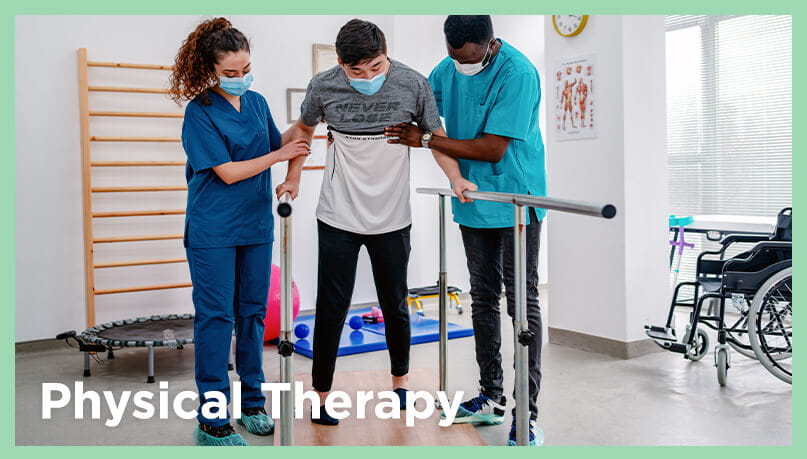
Mobility workouts targets joint movement and stability. It is essential for competitors as it assists them preserve proper form during athletic tasks. Workouts that promote movement capability frequently include movements that mimic the actions executed in a specific activity. For example, step-lunges and squats can improve hip and foot mobility, which is necessary for running or jumping. By training movement capability, competitors can enhance their coordination and balance, which are critical elements of any sports performance.
Another advantage of improved flexibility and mobility training is reducing injury risk. Tight muscles and restricted articulations can cause imbalances that increase the risk of strains or tears. By incorporating consistent mobility and see this page mobility exercises into their training regimen, athletes can keep their bodies next operating efficiently. This preventive strategy assists them remain in peak condition and minimizes downtime due to injuries. Coaches and trainers should prioritize these techniques as part of an athletic program to help they stay fit throughout their sports seasons.
Finally, enhanced adaptability and movement capability support quicker rehabilitation after rigorous training sessions or events. When competitors preserve a high level of adaptability, they can lessen stiffness and tightness after training. Additionally, movement work helps increase blood flow to the muscle tissues, supporting recovery and repair. By focusing on these aspects of athletic preparation, competitors not only perform better but also prolong their athletic lifespan by enabling their physiques to heal more efficiently after strenuous exercise. Prioritizing flexibility and mobility is essential in developing well-rounded athletes who can perform optimally while reducing the risk of injury.